How Does an Occupational Therapist Support School and Classroom Success?
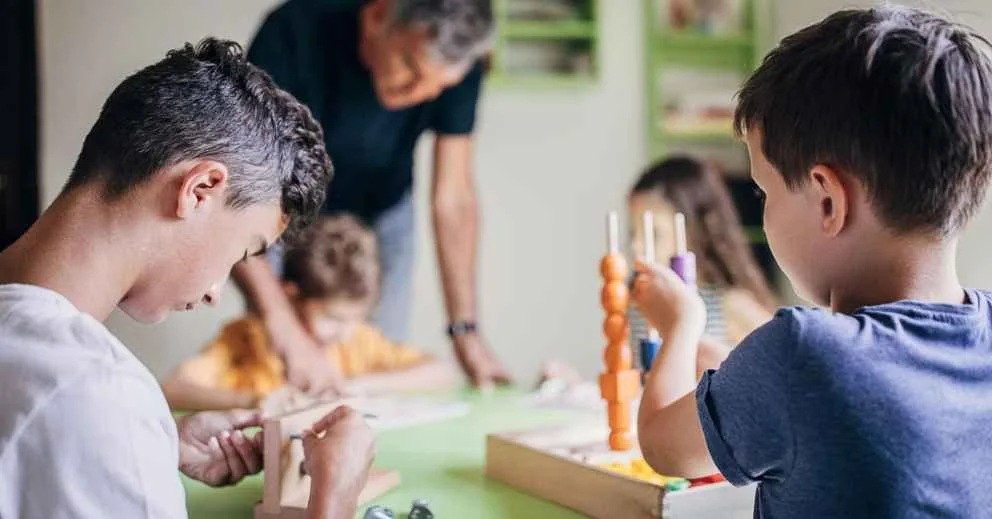
School is about so much more than academics. To succeed in the classroom, children need a combination of motor, sensory, attention, organisational, and emotional regulation skills. When these areas are challenging, learning can feel exhausting, frustrating, or overwhelming.
An occupational therapist (OT) helps children develop the foundational skills they need to participate confidently and successfully at school. By addressing the underlying barriers to learning, OTs empower children to feel capable, independent, and included in everyday classroom activities.
TLDR: Occupational therapists play an important role in helping children succeed at school by supporting the foundational skills needed for learning and participation. From handwriting and posture to sensory regulation, attention, emotional wellbeing, and organisation, OT intervention focuses on reducing barriers that impact classroom success. By working collaboratively with teachers, families, and support teams, occupational therapists create practical strategies that help children feel more confident, independent, and engaged in school life.
The Skills Needed for School Success
Many children who struggle at school are not lacking intelligence or motivation. Instead, they may find it difficult to manage skills such as:
Sitting upright and maintaining posture
Holding and using a pencil effectively
Paying attention and staying on task
Following instructions and classroom routines
Coping with noise, movement, or busy environments
Managing emotions and transitions
Organising belongings and completing work independently
Occupational therapists look beyond behaviour or academic performance to understand what is truly getting in the way of success.
How an OT Helps in the Classroom
Handwriting and Fine Motor Skills
OTs support the fine motor skills needed for classroom tasks, including:
Pencil grip and hand strength
Letter formation and spacing
Writing speed and endurance
Scissor skills and use of classroom tools
Support may include strengthening exercises, pencil adaptations, visual supports, or alternative ways for children to complete written work.
Posture, Seating, and Core Strength
If a child struggles to sit upright, remain seated, or becomes fatigued easily, an OT may help by improving:
Core strength and stability
Body awareness and posture
Desk and chair positioning
Access to alternative seating options such as wobble cushions or footrests
Movement breaks and posture strategies can significantly improve focus, comfort, and participation throughout the school day.
Attention, Focus, and Executive Functioning
Occupational therapists help children develop executive functioning skills such as:
Starting tasks independently
Staying focused on activities
Planning and organising schoolwork
Managing time and transitions between tasks
Strategies may include visual schedules, checklists, timers, step-by-step instructions, and classroom routines that make tasks feel more manageable.
Sensory Regulation in the Classroom
Classrooms can be overwhelming sensory environments. Some children may be highly sensitive to noise, touch, lights, or visual clutter, while others may constantly seek movement or sensory input.
OTs help children regulate sensory needs through:
Sensory strategies and movement opportunities
Quiet or calming spaces
Fidget tools or seating supports
Regulation techniques tailored to the child’s needs
These supports help children remain calm, focused, and ready to learn.
Emotional Regulation and Behaviour
Occupational therapists also support emotional regulation by helping children learn to:
Recognise and express emotions
Manage frustration and anxiety
Cope with change and unexpected transitions
Use calming strategies independently
When children feel emotionally safe and supported, they are more likely to engage positively with learning and social interactions.
Supporting Participation, Not Just Performance
Occupational therapy focuses on helping children participate meaningfully in all aspects of school life, including:
Joining group activities
Following classroom routines
Completing tasks with confidence
Building independence and resilience
Success at school is not just about grades — it is also about helping children feel capable, connected, and included.
Working With Teachers and Schools
Occupational therapists often collaborate closely with:
Teachers
Teacher aides
Learning support staff
Families and caregivers
This team-based approach ensures strategies are practical, consistent, and realistic within the classroom environment.
Support may include:
In-class observations
Teacher education and coaching
Environmental adjustments
Home–school strategy alignment
Collaboration helps children receive consistent support across all environments.
The Bigger Picture
When children are provided with the right tools and strategies, school becomes:
Less stressful
More accessible
More enjoyable
More empowering
Occupational therapy helps children build the skills they need not just to cope at school — but to truly thrive academically, socially, and emotionally.
When School Feels Hard, Occupational Therapy Can Help
If your child is finding school challenging — whether with focus, handwriting, emotional regulation, sensory needs, or classroom participation — occupational therapy can help. At You and Me OT, we know that early support can make a meaningful difference in helping children feel more confident, capable, and successful at school.
Reach out today to learn how personalised strategies and support can help your child thrive both inside and outside the classroom.
Key Takeaways
Occupational therapy supports the underlying skills needed for successful learning and classroom participation.
OTs help children improve handwriting, posture, attention, sensory regulation, emotional regulation, and organisation skills.
Therapy focuses on participation, confidence, and independence — not just academic performance.
Classroom strategies may include movement breaks, visual schedules, seating adjustments, and sensory supports.
Occupational therapists often collaborate with teachers and families to provide consistent support across environments.
Early support can help children feel calmer, more capable, and more successful at school.
FAQ
Can paediatric OT help with learning difficulties?
OT does not teach academic content directly, but it supports the underlying skills needed to access learning, such as attention, emotional regulation, sensory processing, and fine motor control.
Does OT work with teachers?
Yes. Occupational therapists regularly collaborate with teachers and school staff to recommend classroom strategies, adjustments, and supports.
Is paediatric OT only for children with diagnoses?
No. Many children benefit from OT support even without a formal diagnosis.
Can therapy be provided at school?
Yes. School-based therapy can be highly effective because it targets real classroom challenges in the child’s everyday environment.