

Speech & Occupational Therapy for Sensory Processing Disorder
Helping individuals of all ages better manage sensory input and build confidence in daily environments. Enquire with our team today!

Helping individuals better manage sensory challenges each day.
Our team delivers occupational and speech therapy tailored for individuals experiencing sensory processing difficulties.
We use practical, evidence-informed strategies that support participation in everyday life. We also work alongside families, schools, and support networks so progress continues outside of sessions.
Common goals include:
Emotional regulation and coping skills
Better focus and attention
Managing sensory sensitivities
Building daily independence

Areas we focus on.
Our therapy supports individuals across all life stages, from young children through to adults. Each program is guided by personal goals, strengths, and sensory preferences.
-
Recognising sensory-related emotions
Staying calm during overwhelm
Managing stress and frustration
Building confidence
Adapting to change
-
Understanding social situations
Building communication confidence
Participating in groups
Managing sensory distractions
Improving communication skills
-
Creating daily routines
Supporting self-care tasks
Improving school or work participation
Managing transitions
Building organisational skills
-
Identifying triggers and preferences
Reducing sensory discomfort
Increasing tolerance to input
Supporting focus
Creating sensory strategies
-
Understanding behaviour triggers
Reducing overwhelm
Encouraging positive responses
Building emotional awareness
Developing coping skills
-
Engaging in play
Supporting learning participation
Building attention
Expanding interests
Encouraging flexibility
-
Improving coordination
Developing fine motor skills
Building strength
Supporting handwriting
Increasing movement confidence

Therapy that supports how you
experience the world.
We understand that sensory processing disorder affects how someone responds to everyday input. It’s not about changing the individual, but helping them feel more comfortable and capable.
Our approach is flexible and personalised. We use practical, evidence-based methods and tailor each session to suit the person’s needs, preferences, and goals.
Our step-by-step process
-

Initial Assessment
We begin with a detailed assessment to understand sensory patterns and daily challenges.
-

Personalised Plan
We develop a tailored plan with clear goals that align with everyday routines and priorities.
-

Ongoing Sessions
Sessions are engaging and focused on building practical skills that can be used in real-life situations.
-

Collaboration
We work closely with families, carers, educators, and other professionals to support progress.

Ready to get started?

About our team.
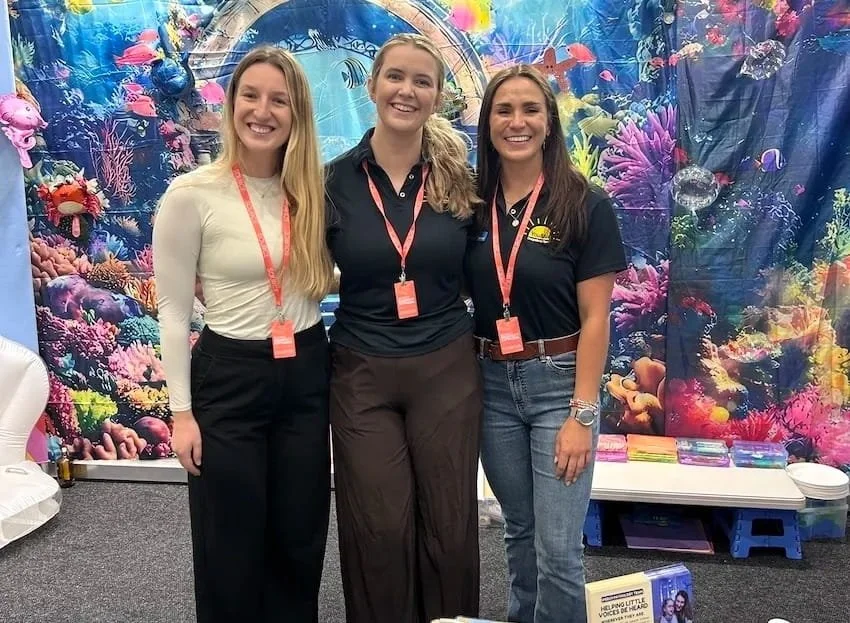
We are a supportive team of Therapists and Pathologists working with individuals and families across Perth, Brisbane, Ipswich, the Sunshine Coast, and the Gold Coast.
Our therapists have experience supporting people with sensory processing challenges and understand how these can impact daily life, learning, and wellbeing.
We focus on building practical skills, confidence, and independence through engaging and personalised sessions. Every program is evidence based and tailored to suit each individual.
With experience across a range of needs and age groups, our team works to create a positive and supportive therapy experience that helps each person reach their goals.



OT for Sensory Processing Disorder FAQ
-
Signs can vary, but may include strong reactions to noise, textures, lights, or movement, as well as difficulty processing sensory information in busy environments.
These can point to a sensory processing issue that may benefit from support from an occupational therapist.
-
Occupational therapy can support a wide range of sensory challenges, including sensory sensitivity to sound, touch, or movement, as well as differences in how a person responds to sensory stimulation throughout the day.
-
Sensory processing challenges are usually identified through functional assessment. An occupational therapist will assess how sensory needs and responses impact participation in daily activities at home, school, or work.
-
Each plan is based on the individual’s profile, goals, and environment. Therapy may include sensory integration approaches and structured sensory activity planning to support meaningful progress.
-
Sensory integration therapy focuses on helping the brain respond more effectively to input. It uses targeted activities during therapy sessions to improve coordination, focus, and sensory regulation.
-
A sensory diet is a personalised plan of activities designed to meet a person’s sensory needs throughout the day. It supports better regulation, attention, and participation in everyday routines.
-
Yes, OT is commonly used as part of paediatric occupational therapy to support a child experiencing a sensory processing challenge, helping them build confidence and function more comfortably in daily environments.
-
During therapy sessions, individuals take part in structured tasks that support sensory integration, movement, and skill development. These activities are designed to improve participation in daily activities.
-
Yes, we often collaborate with professionals in speech pathology and other supports to provide a well-rounded approach that addresses both communication and sensory needs.
-
Yes, we may recommend environmental modification to better support a person with a sensory challenge, making spaces more comfortable and easier to manage on a daily basis.
