


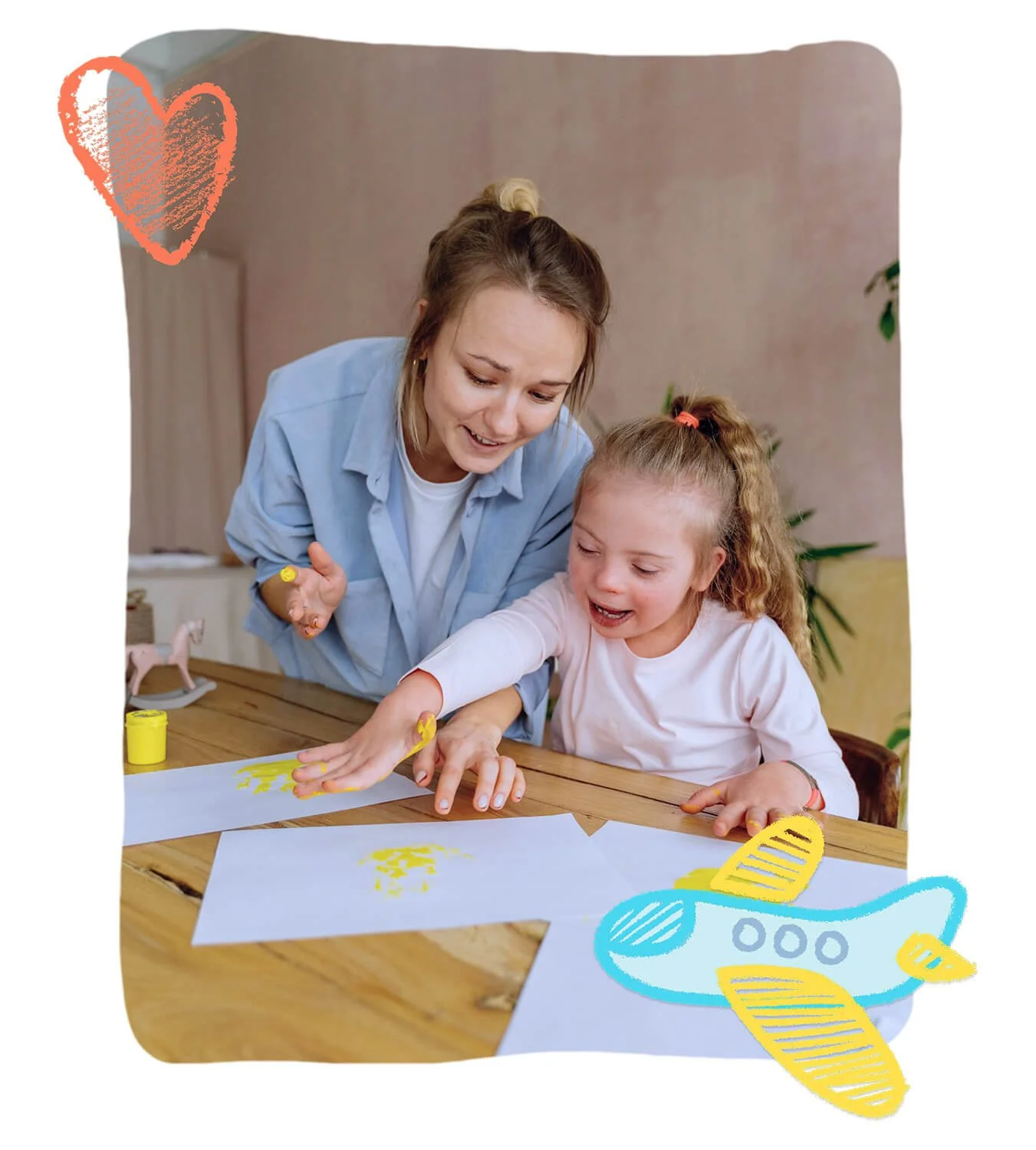
Helping individuals with dysgraphia build writing confidence.
Our team provides occupational and speech therapy tailored to support people who experience challenges with writing, fine motor control, and written expression.
We use practical, evidence-based strategies to make writing easier and less stressful, working with families and schools to support progress in everyday life.
Common goals include:
Improving handwriting legibility and speed
Building fine motor strength and control
Supporting written expression and organisation
Reducing frustration and avoidance with writing tasks

Areas we focus on.
Our therapy supports people at every stage of life, from early childhood through to adulthood. Each program is tailored to suit individual strengths, challenges, and learning styles.
-
Improving letter formation and spacing
Building writing speed and endurance
Organising thoughts on paper
Supporting spelling and sentence structure
Reducing fatigue during writing tasks
-
Strengthening hand and finger muscles
Improving pencil grip and control
Developing coordination for school tasks
Supporting tool use, such as scissors and rulers
Increasing precision and control
-
Completing classroom writing tasks
Managing homework and assignments
Using planners and organisation tools
Supporting independence with learning tasks
Building confidence in academic settings
-
Managing discomfort during writing tasks
Supporting posture and seating setup
Improving attention and focus
Building awareness of body positioning
Creating strategies for sustained tasks
-
Reducing frustration with writing
Building persistence and resilience
Managing anxiety around schoolwork
Developing coping strategies
Increasing confidence with challenges
-
Exploring typing and digital tools
Using adaptive equipment
Supporting alternative ways to express ideas
Building independence with technology
Finding practical solutions that work
-
Developing sequencing for writing tasks
Improving overall coordination
Supporting smooth, controlled movements
Enhancing task planning skills

Therapy that supports how you learn.
We understand that dysgraphia isn’t about effort or intelligence. It’s about how the brain processes and produces written language.
Our role is to help each person develop practical skills, reduce frustration, and find ways to succeed with writing in everyday life.
We tailor every session to the individual, using structured, evidence-based approaches alongside engaging and meaningful activities.
Our step-by-step process
-

Initial Assessment
We begin with a detailed assessment to understand writing challenges, strengths, and goals.
-

Personalised Plan
Together, we set realistic goals and create a therapy plan that fits daily routines and preferences.
-

Ongoing Sessions
Regular sessions focus on building skills step by step, with consistent progress over time.
-

Collaboration
We share strategies with families and supports to reinforce progress outside sessions.

Ready to get started?

About our team.
We are a caring team of Occupational Therapists and Speech Pathologists who support children and families across Perth, Brisbane, Ipswich, the Sunshine Coast, and the Gold Coast.
Our therapists understand how dysgraphia can affect handwriting, organisation, and getting ideas down on paper. We focus on practical, real-world strategies that support learning, confidence, and independence.
Every session is tailored, evidence-based, and designed to feel engaging and supportive for your child.
With experience across a range of learning needs, our team supports children of all ages and abilities, helping them build skills in a realistic, encouraging way.

OT for Dysgraphia FAQ
-
OT for dysgraphia helps individuals build the skills needed for writing, including handwriting skills, writing skill development, and producing clear written work.
It also supports underlying areas linked to learning difficulties and learning disabilities, helping writing feel more manageable in daily life.
-
An occupational therapist works on the core skills behind writing, including hand eye coordination, sensory integration, and fine motor control.
They use targeted strategies to improve letter formation, spacing, and reduce poor handwriting over time
-
Signs can include messy or hard-to-read handwriting, slow writing speed, and difficulty forming letters. Dysgraphia is often linked to a neurological condition and may present alongside specific learning disorder or other learning difficulties.
Some individuals may also show traits of motor dysgraphia or spatial dysgraphia, affecting how they control movement or organise writing on the page.
-
Yes, with consistent support, many individuals improve both speed and clarity. Therapy focuses on building the underlying skills needed for efficient written work, while reducing frustration and reliance on compensatory habits.
-
Sessions are practical and engaging, using a mix of structured tasks and hands-on activity to build skills.
These may include exercises targeting coordination, control, and functional writing, with strategies that carry over into school, home, or everyday life.
-
Yes, therapists can introduce typing, assistive technology, and other tools to support communication.
These options can complement handwriting development or provide alternatives where writing skill challenges persist.
-
-
Progress varies for each person, depending on their goals and needs. With regular sessions, individuals often see gradual improvements in handwriting skills, coordination, and overall written work quality over time.
