How a Kids OT Can Help Children Build Daily Living Skills
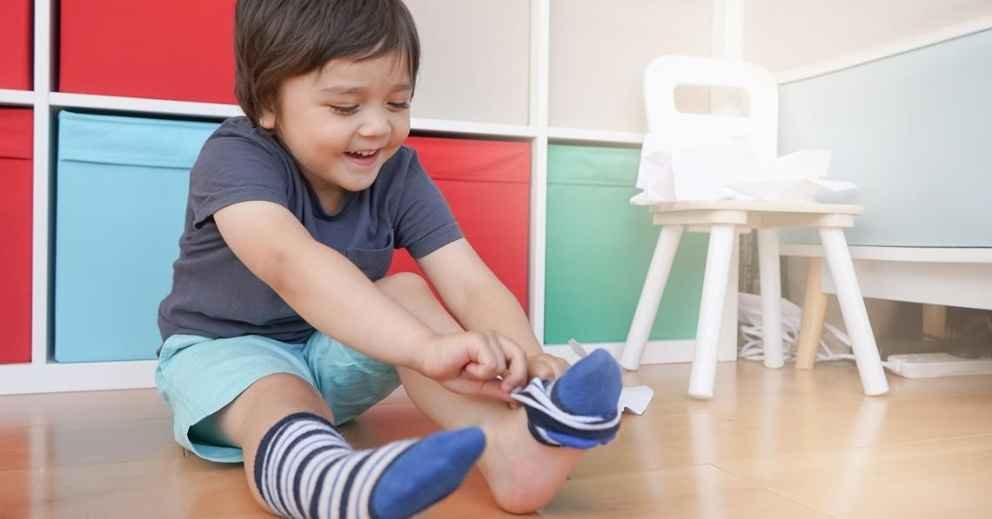
Daily living skills are the everyday activities that help children care for themselves and participate confidently in daily life. These skills play an important role in building independence, confidence, self-esteem, and participation at home, school, and in the community.
For some children, everyday tasks such as dressing, eating, toileting, or following routines can feel difficult, frustrating, or overwhelming. An occupational therapist (OT) helps children develop these skills in practical, achievable ways that suit their individual strengths and needs.
Summary: Occupational therapists help children develop the daily living skills needed for greater independence and participation in everyday life. From dressing and toileting to mealtime skills and routines, OT focuses on understanding the underlying challenges that may make these tasks difficult.
Using play-based activities, practical strategies, and family support, occupational therapists help children build confidence, reduce frustration, and develop meaningful life skills in ways that are achievable and supportive.
Summarize this article in ChatGPT
What Are Daily Living Skills?
Daily living skills, sometimes called self-care or life skills, include activities such as:
Dressing and undressing
Toileting and personal hygiene
Eating and drinking independently
Bathing and grooming
Following daily routines
Managing personal belongings
Packing school bags or lunchboxes
These tasks may seem simple, but they involve a combination of motor, sensory, cognitive, and emotional skills working together.
How an OT Supports Daily Living Skills
Understanding the Underlying Challenges
An occupational therapist looks beyond the task itself to understand why a child may be finding it difficult.
Challenges with daily living skills may relate to:
Motor skills such as strength, coordination, and balance
Sensory processing differences, including sensitivities to textures, sounds, or touch
Cognitive skills such as attention, sequencing, planning, and memory
Emotional regulation challenges including anxiety, frustration, or overwhelm
By understanding the underlying barriers, therapy can be targeted, meaningful, and effective.
Breaking Tasks Into Manageable Steps
Occupational therapists often teach skills by breaking activities into smaller, achievable steps.
For example, getting dressed may involve learning how to:
Choose appropriate clothing
Put on underwear
Pull up pants
Manage buttons, zips, or shoelaces
Each step is practised gradually and at the child’s pace to help build confidence and success over time.
Using Play and Real-Life Activities
Paediatric OT sessions are often play-based and hands-on. Rather than relying on worksheets, children practise skills during meaningful everyday activities.
An OT may:
Practise dressing skills through games or role play
Build hand strength through play before introducing buttons or cutlery
Use pretend play to teach toileting routines
Practise mealtime skills during snack activities
This approach helps children stay engaged while learning skills that directly apply to everyday life.
Teaching Strategies and Introducing Helpful Tools
Occupational therapists may recommend practical tools and strategies to make daily tasks easier and more achievable.
Support may include:
Visual schedules and routine charts
Adaptive equipment such as modified cutlery or clothing fasteners
Sensory strategies to improve regulation
Environmental adjustments to bathrooms, bedrooms, or meal spaces
These supports help reduce frustration, increase independence, and build confidence.
Supporting Parents and Carers
Occupational therapy does not stop at the therapy session. Families are an important part of helping children practise and generalise skills at home.
OTs support parents and carers by providing guidance on:
Encouraging independence without over-helping
Practising skills consistently at home
Creating calm and predictable routines
Supporting motivation and confidence
Small changes in everyday routines can make a significant difference over time.
Common Daily Living Goals in Occupational Therapy
Every child’s goals are unique and tailored to their needs. Common goals may include:
Dressing independently for school
Managing toileting routines confidently
Using cutlery and drinking from an open cup
Brushing teeth or washing hands independently
Packing a school bag or lunchbox
Following morning or bedtime routines successfully
Goals focus on helping children participate more independently and confidently in everyday life.
Why OT Support Makes a Difference
When children build daily living skills, they also gain:
Greater confidence and self-esteem
Reduced stress and frustration
Increased independence
Better participation at home, school, and in the community
A stronger sense of achievement and capability
Occupational therapy is not about rushing children or expecting perfection. It is about meeting children where they are, supporting their strengths, and helping them move forward at their own pace.
Empowering Children to Succeed in Everyday Activities
If your child is finding everyday tasks challenging — whether with dressing, mealtimes, toileting, routines, or independence — occupational therapy can help.
At You and Me OT, we know that children can build the confidence and practical skills they need to participate more successfully in daily life.
Reach out today to find out how personalised, strengths-based strategies can support your child’s independence at home, at school, and in the community.
Key Takeaways
Daily living skills include activities such as dressing, toileting, eating, hygiene, and following routines.
Occupational therapists identify the underlying reasons tasks may feel difficult for a child.
OT sessions use play-based, practical activities to build skills in meaningful ways.
Therapy may include visual supports, adaptive tools, sensory strategies, and environmental changes.
Families play an important role in helping children practise skills at home.
Building daily living skills supports confidence, independence, and participation in everyday life.
FAQ
Do kids need a diagnosis to see an OT?
No. Many children benefit from occupational therapy support even without a formal diagnosis.
How long does it take to build daily living skills?
Progress varies depending on the child’s individual strengths, challenges, and goals. OT focuses on steady, achievable improvement over time.
Can OT help with routines at home?
Yes. Supporting family routines and everyday independence is a key part of paediatric occupational therapy.
Is therapy play-based?
Yes. Paediatric OT sessions are often play-based to keep children engaged while developing important everyday skills.