How Paediatric Occupational Therapy Supports Growing Children
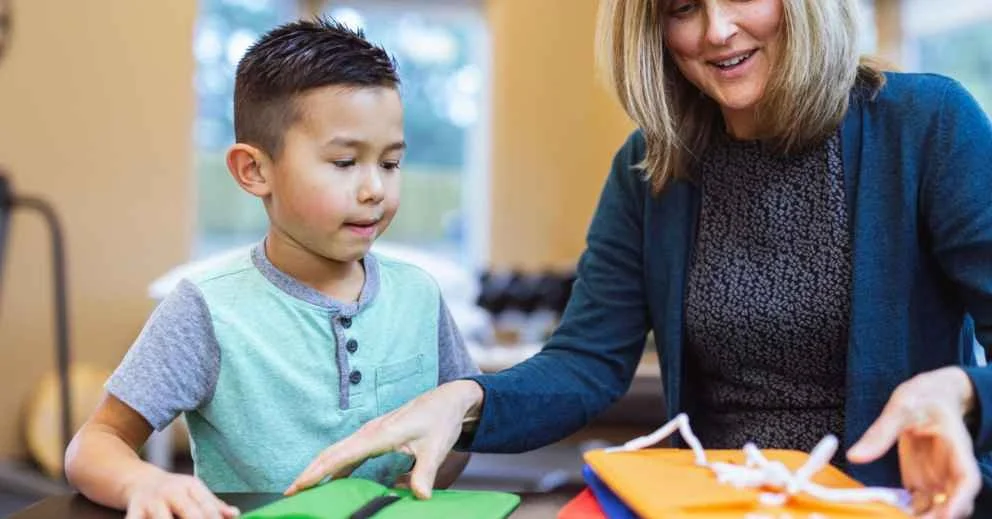
A paediatric occupational therapist (OT) helps children develop the skills they need to participate in everyday life. These are the foundational skills that allow children to play, learn, care for themselves, build relationships, and participate confidently at home, school, and in the community.
Paediatric OTs work with babies, children, and adolescents who may experience developmental delays, disabilities, injuries, sensory differences, or challenges with daily activities. Their role is to support children in becoming more independent, confident, and engaged in the activities that matter most to them.
Summary: A paediatric occupational therapist helps children develop the physical, sensory, emotional, social, and practical life skills needed for everyday activities. From handwriting and emotional regulation to sensory processing and independence, OT focuses on helping children participate confidently in the activities that are important to them. Using play-based and personalised approaches, paediatric OTs work collaboratively with families, schools, and caregivers to support children in reaching meaningful goals and thriving across home, school, and community environments.
Summarize this article in ChatGPT
What “Occupations” Mean for Children
In occupational therapy, the word occupation does not mean a job. For children, occupations are the important activities of childhood, including:
Playing and exploring
Getting dressed and eating independently
Learning and participating at school
Managing emotions and behaviour
Making friends and joining social activities
A paediatric OT helps children participate in these activities in ways that feel safe, successful, and meaningful. For families seeking Paediatric OT in Perth, Brisbane, or Gold Coast services, You&Me OT offers personalised support to help children build confidence and everyday life skills.
Areas a Paediatric OT Can Help With
Fine Motor Skills
Occupational therapists support the small hand movements needed for everyday tasks such as:
Pencil grip and handwriting
Cutting, colouring, and drawing
Using utensils, buttons, and zips
Hand strength and coordination
These skills are important for school participation, self-care, and independence.
Gross Motor Skills
Paediatric OTs also support larger body movements, including:
Balance and coordination
Running, jumping, and climbing
Core strength and posture
Body awareness and movement planning
Strong gross motor skills help children participate confidently in play, sports, and classroom activities.
Sensory Processing
Some children are highly sensitive to sounds, textures, movement, or busy environments, while others seek extra sensory input.
OTs help children with:
Sensory sensitivities or sensory seeking behaviours
Emotional regulation and calming strategies
Managing overwhelm in busy settings
Developing coping tools that support focus and participation
Sensory support can help children feel calmer, more organised, and more comfortable in everyday environments.
Daily Living Skills
Occupational therapists help children build independence with everyday routines such as:
Dressing and toileting
Hygiene and self-care
Mealtime skills
Following routines and transitions
These practical life skills support confidence and reduce stress for both children and families.
School and Learning Skills
Paediatric OT can also support skills needed for learning and classroom participation, including:
Attention and focus
Organisational skills
Completing tasks independently
Managing classroom routines and transitions
Therapy strategies help children feel more capable and engaged at school.
Social and Emotional Skills
OTs help children strengthen:
Emotional regulation
Confidence and independence
Social interaction and play skills
Coping strategies for frustration and anxiety
Building these skills helps children connect positively with others and navigate daily challenges more successfully.
How Paediatric OT Sessions Work
Paediatric OT sessions are play-based, child-led, and goal-focused. While therapy often looks like fun, every activity is carefully chosen to support a child’s development and goals.
An OT may:
Use games, obstacle courses, and creative play activities
Adapt tasks to suit the child’s strengths and abilities
Teach practical strategies to support regulation and learning
Work closely with parents, carers, and teachers
Sessions may take place in:
The clinic
The child’s home
School or childcare settings
Community environments
Therapy is most effective when strategies are used in the child’s everyday environments.
Assessments and Goal Setting
A paediatric occupational therapist completes assessments to better understand a child’s strengths, challenges, and daily needs.
Together with the family, the OT develops personalised goals that are meaningful and practical for real-life participation.
Goals may include:
Getting dressed independently
Participating in class without distress
Improving handwriting confidence
Managing sensory overload in busy environments
Building confidence in social situations
Therapy goals are always tailored to the individual child and family.
Who Can Benefit From Paediatric OT?
Paediatric occupational therapy supports children with a wide range of needs, including:
Developmental delays
Autism
Sensory processing differences
Physical or neurological conditions
Emotional regulation challenges
Difficulties with learning, play, or independence
Importantly, children do not need a diagnosis to benefit from occupational therapy support.
Working With Families
Families play a central role in paediatric occupational therapy. OTs work collaboratively with parents and carers to provide:
Education and guidance
Home programs and practical strategies
Support for routines and transitions
Collaboration with schools and other professionals
The goal is to help children succeed not only during therapy sessions, but in everyday life.
The Bigger Picture
Paediatric occupational therapy is about helping children build the skills they need to participate fully in childhood through play, learning, independence, and connection with others.
OT is not about fixing children.It is about supporting children to thrive in their own unique way and helping families feel empowered along the journey.
Support Your Child’s Confidence, Independence, and Everyday Success
If your child is finding everyday activities challenging, whether with learning, play, emotions, sensory processing, or independence, paediatric occupational therapy can help.
You & Me OT knows early support can make a meaningful difference in helping children build confidence, develop important life skills, and participate more successfully in daily life.
Reach out to learn how personalised, strengths-based support can help your child thrive at home, at school, and in the community.
Key Takeaways
Paediatric occupational therapists help children participate successfully in everyday activities.
OT supports fine motor, gross motor, sensory, emotional, social, and daily living skills.
Therapy sessions are play-based, child-led, and tailored to the child’s goals and strengths.
Children do not need a diagnosis to benefit from occupational therapy support.
OTs often collaborate with families, schools, and other professionals to create consistent strategies.
Occupational therapy focuses on participation, confidence, independence, and wellbeing.
FAQ
Do I need a referral to see a paediatric occupational therapist?
In many cases, no referral is required, although some funding programs or insurance providers may request one.
How long does occupational therapy take?
This depends on the child’s individual goals and needs. Some children benefit from short-term support, while others may require ongoing therapy.
Is therapy only for children with a diagnosis?
No. Many children access occupational therapy to support specific challenges even without a formal diagnosis.
Can therapy be done at school or home?
Yes. Occupational therapy is often most effective when provided in the environments where the child spends their time, such as home, school, or childcare.
Get key takeaways with Chat GPT