How Can an Occupational Therapist Help Build Daily Living Skills?
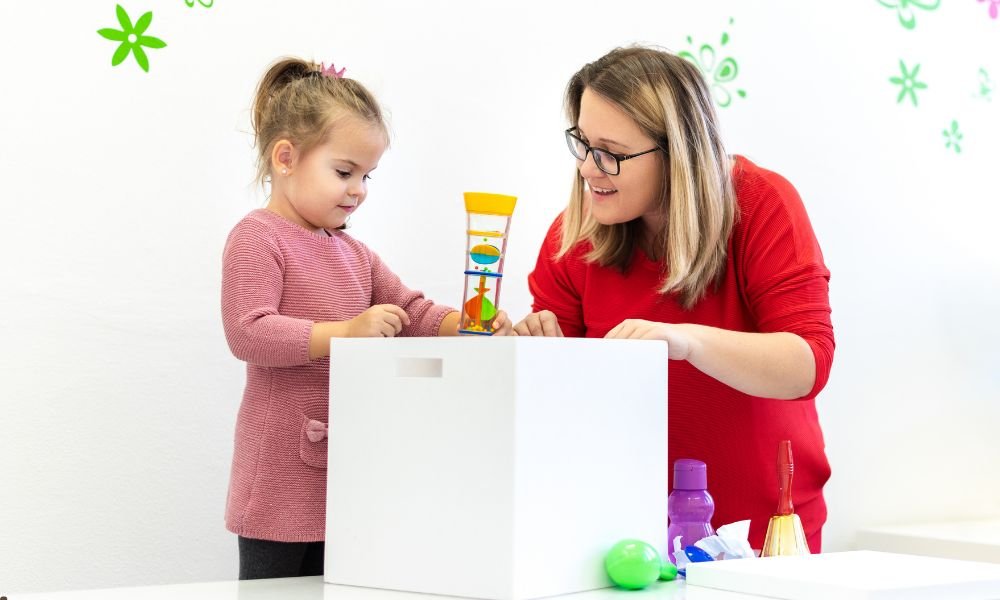
Daily living skills are the everyday activities that help a person care for themselves and participate in daily life. For children, these skills are a big part of building independence, confidence, and self-esteem.
An occupational therapist (OT) supports children in developing these skills in practical, achievable ways that suit their individual needs.
Summarize this article in ChatGPT
What Are Daily Living Skills?
Daily living skills (sometimes called self-care skills) include things like:
Dressing and undressing
Toileting and hygiene
Eating and drinking
Bathing and grooming
Following routines
Managing personal belongings
For some children, these tasks don’t come easily and may feel overwhelming or frustrating.
How an OT Supports Daily Living Skills
🧠 Understanding the “Why”
An OT looks at why a task is difficult. Challenges may be linked to:
Motor skills (strength, coordination, balance)
Sensory processing (textures, sounds, body awareness)
Cognitive skills (attention, sequencing, planning)
Emotional regulation (anxiety, frustration, overwhelm)
Understanding the underlying barriers enables targeted, effective therapy.
🧩 Breaking Tasks into Steps
OTs teach skills by breaking them down into smaller, manageable parts.
For example, dressing might be broken into:
Choosing clothes
Putting on underwear
Pulling up pants
Managing buttons or zips
Each step is practised at the child’s pace until it becomes easier and more automatic.
🎯 Practising Through Play and Real-Life Activities
Daily living skills are practised during real, meaningful activities, not worksheets.
An OT may:
Practice dressing using games or role play
Build hand strength through play before introducing buttons
Use pretend play for toileting routines
Practise mealtime skills during snack or lunch
This makes learning fun, engaging, and relevant.
🧠 Teaching Strategies and Tools
OTs introduce tools and strategies to increase success, such as:
Visual schedules and routines
Adaptive equipment (e.g. cutlery, clothing fasteners)
Sensory strategies to support regulation
Environmental changes (setup of bathroom or bedroom)
These supports reduce frustration and build independence.
👨👩👧 Coaching Parents and Carers
OT support doesn’t stop at the session. Families are guided on:
How to practise skills at home
How to support independence without over-helping
How to create predictable routines
How to encourage confidence and motivation
Small changes at home can make a big difference.
Common Daily Living Goals an OT May Work On
Dressing independently for school
Managing toileting routines confidently
Using cutlery and drinking from a cup
Brushing teeth or washing hands
Packing a school bag or lunchbox
Following morning or bedtime routines
Goals are always individualised and meaningful to the child and family.
Why OT Support Makes a Difference
When children gain daily living skills, they also gain:
Confidence in themselves
Reduced stress and frustration
Greater participation at home and school
A sense of pride and independence
Occupational therapy isn’t about rushing children—it’s about meeting them where they are and helping them move forward.
FAQ
Do kids need a diagnosis to see an OT?
No. Many children benefit from OT support without a formal diagnosis.
How long does it take to build daily living skills?
Progress varies depending on the child’s needs and goals. OT focuses on steady, achievable improvement.
Can OT help with routines at home?
Yes. Supporting family routines is a key part of kids’ OT.
Is therapy play-based?
Yes. Activities are often play-based to keep children engaged while building important skills.
Get key takeaways with Chat GPT