Occupational Therapy for Kids: A Complete Guide for Queensland Families
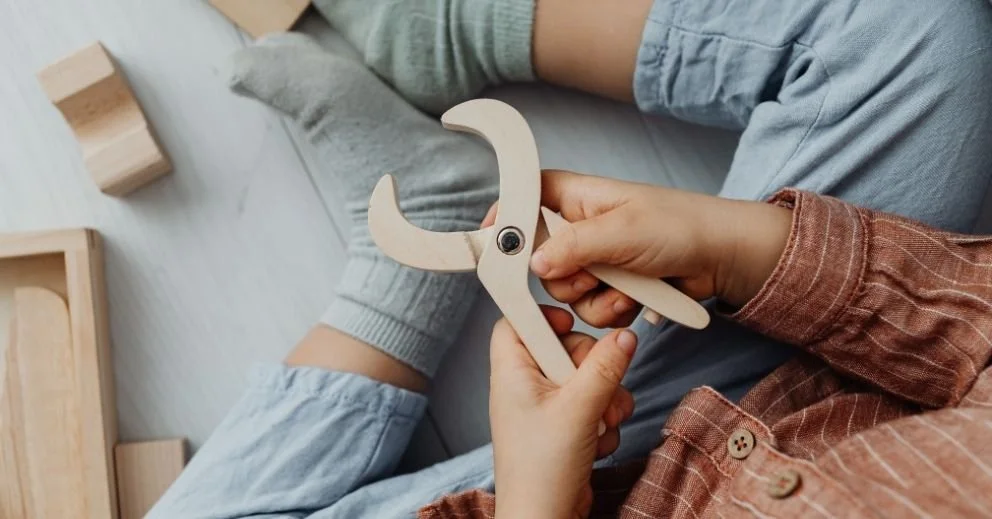
Every child develops at their own pace, but some may need extra support with everyday activities, sensory processing or motor skills.
Difficulties with getting dressed, holding a pencil, managing emotions or participating in school activities can sometimes indicate that an occupational therapy assessment may be helpful.
Paediatric occupational therapy focuses on understanding your child's individual strengths and challenges, helping them develop practical skills for greater confidence and independence at home, school and in everyday life.
TLDR: Occupational therapy helps children build the everyday skills they need for school, play, and home life, from handwriting and buttoning shirts to managing big emotions and sensory overwhelm. This guide covers what OT actually involves, signs your child might benefit, what sessions look like, and how to find occupational therapy services in Queensland that fit your family.
What Occupational Therapy Actually Means for Kids
Occupational therapy isn't about jobs or careers, despite the name. For children, "occupation" just means the everyday tasks they need and want to do, things like getting dressed, writing at school, playing with friends, and sitting still for dinner.
An occupational therapist (OT) looks at why a child might be struggling with these tasks and works out practical ways to help. Sometimes that's building a skill directly. Other times it's adjusting the environment or routine so the task becomes easier.
Fine Motor and Gross Motor Skills
This covers hand strength, pencil grip, scissor skills, and coordination needed for climbing, running, and ball games. Many families first seek occupational therapy services because of handwriting struggles at school.
Sensory Processing Support
Some kids are overwhelmed by noise, textures, or crowded spaces. Others seek out movement or pressure constantly. OT helps children understand and regulate these sensory needs.
Emotional Regulation and Behaviour
Big reactions to small frustrations, trouble transitioning between activities, or meltdowns that seem to come from nowhere can all be areas OT addresses, often alongside strategies parents can use at home.
Daily Living Skills
Dressing, eating, toileting, and sleep routines all fall under this umbrella. These might seem small, but they shape a child's confidence and independence enormously.
Signs Your Child Might Benefit from Occupational Therapy
There's no single checklist that confirms a child needs OT. But certain patterns tend to show up again and again for families who eventually seek support.
Avoids or struggles with handwriting and drawing tasks
Gets distressed by certain textures, sounds, or clothing tags
Seems clumsy or trips often compared to peers
Has trouble with buttons, zips, or cutlery for their age
Finds transitions between activities really hard
Struggles to sit still or focus during seated tasks
Has meltdowns that seem disproportionate to the trigger
Avoids playgrounds, sport, or group play
If a few of these sound familiar, it doesn't mean something is "wrong" with your child. It just means an OT assessment could give you some clarity and a plan forward.
When to See a GP or Paediatrician First
You don't always need a referral to access occupational therapy services, but it can help to loop in your GP or paediatrician, especially if you're also exploring a diagnosis or want to check for a Medicare care plan.
When School Concerns Are the Trigger
Teachers often notice fine motor or attention difficulties before parents do, simply because classroom tasks highlight them. A note home from school is a common and valid reason to book an assessment.
Occupational Therapy in Queensland: What to Expect from Services
Occupational therapy services in Queensland are delivered through a mix of private clinics, community health services, schools, and home visits. Access points vary depending on your child's needs and whether you're using NDIS funding, Medicare, or paying privately.
Private OT clinics usually offer the most flexibility in scheduling and location. Public and community health services can have longer wait times but may suit families without private funding.
NDIS-Funded Occupational Therapy
If your child has an NDIS plan, occupational therapy is a commonly funded support. Your plan type (self-managed, plan-managed, or agency-managed) affects which providers you can choose from.
Medicare and GP Care Plans
A Chronic Disease Management plan from your GP can provide a limited number of subsidised allied health sessions each year, including OT. It's worth asking your GP whether your child qualifies.
Private and Self-Funded Sessions
Some families choose to pay privately, particularly if they want to start sooner or don't meet NDIS or Medicare criteria. Many clinics offer a sliding scale of session types depending on the child's goals.
What Happens in an Occupational Therapy Session
The first session is usually an assessment. The OT will ask about your child's history, observe them doing various tasks, and sometimes use standardised assessment tools to understand strengths and challenges.
From there, a plan is built around specific, realistic goals, things like "improve pencil grip for school" or "manage transitions between activities without distress." Sessions themselves often look like play, because for kids, play is how learning happens best.
Fine motor games using tongs, playdough, or threading
Movement-based activities for coordination and body awareness
Sensory play to build tolerance and regulation
Visual schedules or social stories for transitions
Practice with daily tasks like dressing or using cutlery
Parents are usually involved too, either in the room or through strategies to practise at home. Carryover between sessions and daily life is where a lot of the real progress happens.
How Long Does Occupational Therapy Take?
This varies hugely by child and goal. Some families see noticeable change within a term of weekly sessions, while more complex needs might involve ongoing support over a year or more.
Will My Child Need OT Forever?
No. Most children work toward specific goals, and sessions wind down once those skills are established or managed well enough that daily life feels easier.
Choosing an Occupational Therapist for Your Child
Not every OT specialises in paediatrics, so it's worth asking directly about experience with children and the specific challenges your child faces. A good fit matters just as much as qualifications.
At You&Me OT, the focus is on building genuine rapport with each child before pushing into harder skills, because kids engage far better with therapists they trust. It's also worth asking how a clinic involves parents, since home strategies often matter as much as clinic time.
Questions Worth Asking a Clinic
Do you have experience with my child's specific challenges?
How do you involve parents and carers in the process?
What does a typical session look like for a child this age?
How will we know if therapy is working?
Red Flags to Watch For
Be cautious of any provider who promises quick fixes or guarantees specific outcomes within a set timeframe. Kids progress at different rates, and a good OT will be upfront about that uncertainty rather than overselling results.
Taking the Next Step with You&Me OT
If you've read this far, you probably already suspect your child could benefit from some extra support, and that instinct is usually worth trusting. You&Me OT works with Queensland families to turn everyday struggles into manageable, achievable goals.
Getting started is as simple as reaching out for a chat about what occupational therapy could look like for your child.
Key Takeaways
Occupational therapy helps children build everyday skills for school, play, home life, and emotional regulation
Common signs include handwriting struggles, sensory sensitivities, coordination issues, and big emotional reactions
Occupational therapy services in Queensland can be accessed via NDIS, Medicare care plans, or privately
Sessions are usually play-based and built around specific, realistic goals
Parent involvement at home often speeds up progress between sessions
Therapy is typically time-limited, winding down once goals are met
FAQ
Can I start occupational therapy without a diagnosis?
Yes, you don't need a formal diagnosis to begin occupational therapy. Many families start with a general assessment simply because they've noticed a child struggling with a particular task or skill.
How much does occupational therapy cost in Queensland?
Costs vary depending on whether you're using NDIS funding, a Medicare care plan, or paying privately, and clinics set their own session fees. It's best to ask a clinic directly for their current rates and what rebates might apply to your situation.
What age should a child start occupational therapy if needed?
There's no minimum age, and early intervention is often encouraged if concerns show up in toddlerhood or preschool years. That said, OT can genuinely help children and even teenagers at any stage if a relevant challenge comes up.
Will occupational therapy sessions feel like "work" for my child?
Good paediatric OT is built around play and activities your child actually enjoys, so it rarely feels like a chore to them. The skill-building happens through games, movement, and hands-on tasks rather than sitting at a desk.
What's the difference between occupational therapy and physiotherapy for kids?
Physiotherapy mostly focuses on physical movement, strength, and gross motor recovery, while occupational therapy looks more broadly at how a child manages everyday tasks and sensory experiences. There's some overlap, particularly around gross motor skills, so a therapist can help clarify which service best suits your child's needs.