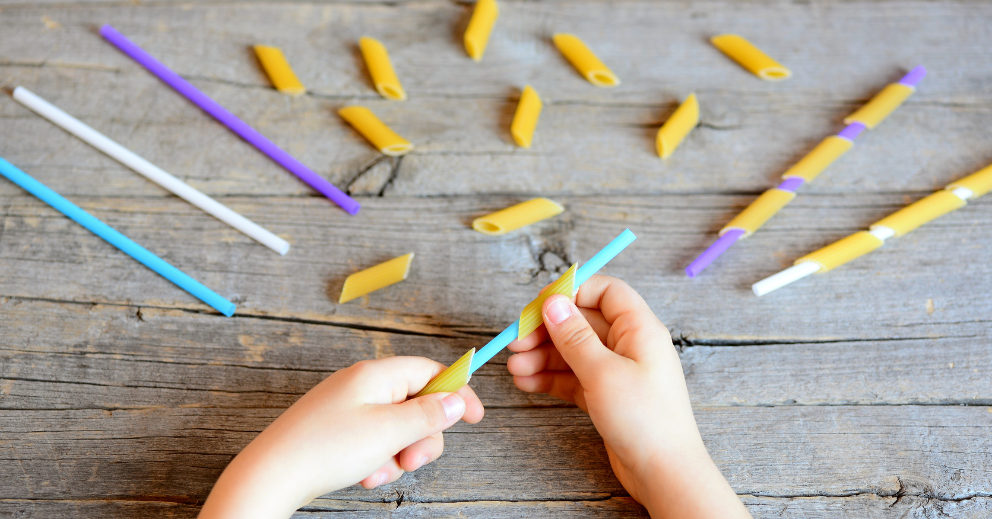
Picking up a toy, climbing onto the couch and learning to use a spoon all take practice. These everyday moments show how children are developing two types of movement skills. Fine motor skills help them use their hands and fingers with control.
Gross motor skills help them move, balance and use the larger muscles in their body. As both develop, children can do more for themselves at home, at preschool and in the playground.
TLDR: Fine motor milestones include grasping toys, stacking blocks and learning to use crayons or scissors. Gross motor milestones include rolling, sitting, walking, jumping and catching a ball. Children build these skills at different rates, so age ranges are a guide to what you might see over time. Everyday play and routines give children chances to practise, and a GP or child and family health nurse can help if you’re concerned about their progress.
What’s the difference between fine and gross motor skills?
Fine motor skills involve small, controlled movements, especially of the hands and fingers. A baby uses them to grasp a toy. A toddler uses them to turn a page or feed themselves with a spoon. A preschooler uses them to draw, cut paper or manage clothing fasteners.
Gross motor skills involve larger movements and help children develop balance and coordination. Sitting upright, pulling up to stand, running and kicking a ball all use gross motor skills.
The two often work together. When your child puts on a shoe, they use their trunk and legs to stay steady while their hands open the strap and guide the shoe onto their foot.
Fine and gross motor milestones by age
These are examples of skills you might notice from infancy through the preschool years. A child can be confident in one area while still building skills in another.
| Age range |
Fine motor skills |
Gross motor skills |
|---|---|---|
| Birth to 12 months | Reaching for and holding toys, then handling them with more control. | Rolling, learning to sit and, later in the first year, pulling up to stand. |
| 1 to 2 years |
Finger-feeding, scribbling with a crayon and starting to stack blocks. |
Taking independent steps, squatting to pick up toys and beginning to run. |
| 2 to 3 years |
Building taller block towers and making more deliberate marks when drawing. |
Running more confidently and learning to climb stairs. |
| 3 to 4 years |
Drawing simple shapes, trying child-safe scissors and helping with dressing. |
Jumping over low objects, kicking a ball and briefly balancing on one foot. |
| 4 to 5 years | Cutting paper with more control and getting dressed with less help. | Hopping on one foot and becoming more coordinated when throwing and catching a ball. |
How to help your child practise through play
Start with an activity your child already enjoys and give them one part they can try themselves. You might start the zip on their jacket and let them pull it up, or roll a ball back and forth before trying to catch it.
For babies, offer a toy to reach for during supervised floor play.
For toddlers, try stacking cups, turning board-book pages or rolling a large ball across the floor.
For preschoolers, try squeezing and rolling playdough, cutting paper with child-safe scissors under supervision or stepping over a low obstacle.
If an activity feels frustrating, make it easier to join in. Use a bigger, softer ball, hold the paper steady while your child cuts, or give them a hand to balance.
When to ask for support
Speak with your GP or child and family health nurse if you’re concerned about your child’s development, especially if they’ve stopped using a skill they previously had. It’s also worth bringing up difficulties that keep getting in the way of everyday activities, such as joining playground games, using cutlery or getting dressed. Specific examples of what you see at home or preschool can help guide the conversation.
An occupational therapist can look at how your child manages everyday tasks and suggest ways to make them easier to practise. At You & Me OT, that might mean working on getting dressed, using classroom tools or taking part in play, depending on what matters most to your child and family.
Support your child’s everyday skills
If tasks like getting dressed, using cutlery or joining in at the playground are frustrating for your child, You & Me OT can help you work out where to start.
Learn more about occupational therapy at You & Me OT.
Key Takeaways
Fine motor skills help children do things like hold a crayon, use cutlery and fasten clothing.
Gross motor skills help children sit, walk, climb, jump and balance.
Milestone age ranges help you follow your child’s progress over time.
Play and daily routines give children regular chances to practise both types of movement.
If your child loses a skill or you’re worried about their progress, speak with your GP or child and family health nurse.
FAQ
Can fine and gross motor skills develop at different rates?
Yes. A child might run and climb confidently while still finding scissors or buttons tricky. If a skill repeatedly limits what your child can do at home, at preschool or during play, bring a few examples to their next developmental check.
What fine motor skills help with learning to write?
Using both hands together, controlling a crayon and making marks on paper all help children prepare for writing. Drawing, turning pages and playing with playdough give them different ways to practise hand and finger control.
How can occupational therapy help with motor skills?
An occupational therapist can observe a task your child finds difficult and identify which parts need support. For example, if using scissors is tricky, they might look at how your child holds the scissors, steadies the paper with their other hand and controls each cut. They can then suggest activities your child can practise at home or preschool.