Don't Ignore These Signs You May Need an Occupational Therapist
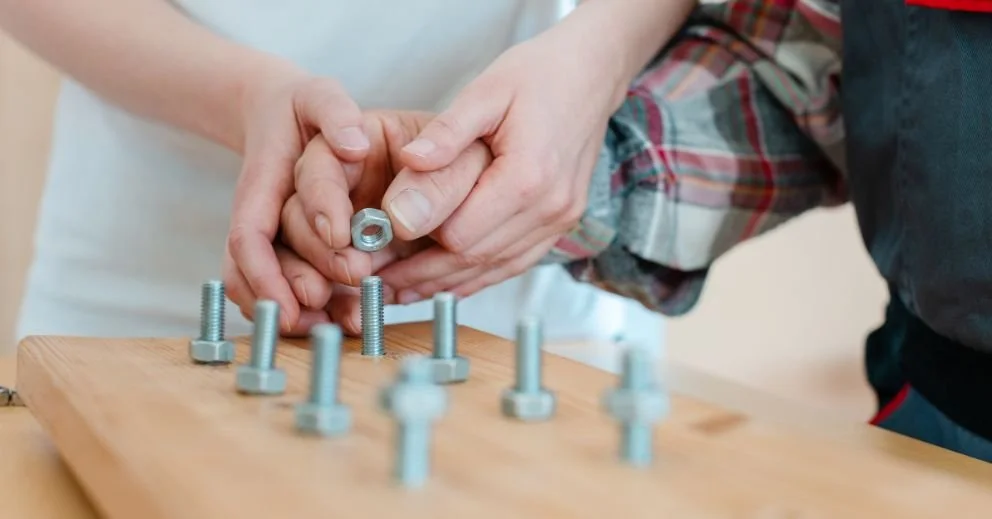
Here's a common myth worth busting straight away: occupational therapy is not just for people recovering from a serious injury or living with a disability.
A lot of people picture a hospital ward or a rehab clinic and assume it has nothing to do with them. In reality, occupational therapists work with everyday struggles that affect how someone functions at home, at work, or at school, and those struggles show up in far more households than most people realise.
TLDR: Occupational therapy isn't reserved for major medical events. It helps with everyday struggles like sensory sensitivities, trouble managing daily routines, physical pain that limits movement, and developmental delays in kids. If daily tasks feel harder than they should, it's worth getting an occupational therapist's opinion sooner rather than later.
Ask AI If Occupational Therapy Could Help
What Occupational Therapy Actually Covers
Occupational therapy (OT) is about helping people do the everyday things that matter to them, safely and independently. That might be getting dressed, writing at school, managing a workplace injury, or simply coping with a loud, busy environment without feeling overwhelmed.
The Misconception Worth Clearing Up
Many people think OT is only for stroke recovery or severe disability support. While occupational therapists do work in those areas, they also support far more common, everyday issues that rarely get flagged as needing help.
Who Occupational Therapists Actually Help
Children with developmental or sensory differences
Adults recovering from injury or surgery
People managing chronic pain or fatigue
Older adults wanting to stay independent at home
Anyone struggling with daily routines, focus, or coordination
Everyday Signs You Shouldn't Brush Off
Most people don't wake up thinking "I need an occupational therapist." The signs are usually smaller and easier to dismiss than that. They build up quietly, often mistaken for tiredness, clumsiness, or just "having an off day."
Physical Signs
Ongoing pain or stiffness that limits everyday tasks
Trouble with fine motor skills like buttoning shirts or holding a pen
Balance issues or a fear of falling
Fatigue that makes basic self-care feel exhausting
Sensory and Emotional Signs
Feeling overwhelmed by noise, light, or crowded spaces
Avoiding certain textures, clothing, or foods
Meltdowns or shutdowns that seem out of proportion to the situation
Difficulty calming down after being upset
Everyday Function Signs
Struggling to keep up with school work or workplace tasks
Trouble organising a daily routine or managing time
Avoiding activities that used to feel manageable
Needing more help than usual with basic self-care
When Should You See an Occupational Therapist
There's no single moment that means "now is the time." It's more about noticing a pattern. If something keeps getting in the way of daily life, week after week, that's usually the signal to get it looked at rather than waiting it out.
For Children
Parents often notice their child avoiding handwriting, struggling with buttons and zips, or reacting strongly to certain sounds or fabrics. These aren't always "just a phase." An occupational therapist can assess whether it's a developmental delay or a sensory processing difference that needs support.
For Adults
Adults might notice pain that stops them doing their job properly, or fatigue that makes cooking and cleaning feel like a mountain to climb. Some people wait months before mentioning it to anyone, assuming it will just resolve on its own.
For Older Australians
Falls, trouble getting in and out of the shower, or forgetting steps in a familiar routine are all worth raising early. Occupational therapists can suggest small home changes that make a big difference to independence and safety.
What Happens During an Occupational Therapy Assessment
A lot of hesitation around seeing an OT comes from not knowing what to expect. It's a conversation and observation process, not a test you can fail.
What Gets Discussed
Daily routines and where they're breaking down
Physical, sensory, or emotional challenges
Goals that matter to the person or family
Home, school, or workplace environment
What Comes After
From there, a therapist puts together practical strategies. That could mean simple exercises, equipment recommendations, sensory tools, or changes to a daily routine. Progress is usually reviewed and adjusted over time rather than fixed in one session.
Getting Support Sooner Rather Than Later
If any of these signs sound familiar, it's worth having a conversation rather than waiting for things to get harder to manage. You&Me OT works with children, adults, and older Australians to figure out what's really going on and build practical strategies around it.
Reach out when you're ready to talk it through.
Key Takeaways
Occupational therapy isn't only for major injuries or disabilities, it covers everyday struggles too
Sensory sensitivities, fine motor difficulties, and fatigue are all valid reasons to get an assessment
Children showing developmental delays benefit from early support rather than a "wait and see" approach
Older adults can use OT support to stay safer and more independent at home
An assessment is a conversation about goals and challenges, not a pass or fail test
FAQ
Do I need a doctor's referral to see an occupational therapist?
In many cases you can book directly without a referral, though some funding pathways like NDIS or Medicare care plans may require one. It's worth checking your specific situation before booking.
How long does it usually take to see results from occupational therapy?
This varies a lot depending on the goal. Some people notice small improvements within a few sessions, while more complex sensory or developmental support can take months of consistent work.
Can occupational therapy help if the issue isn't physical?
Yes. OT covers sensory processing, emotional regulation, focus, and daily organisation just as much as physical movement. Many clients come in for non-physical struggles like overwhelm or routine breakdowns.
What's the difference between occupational therapy and physiotherapy?
Physiotherapy generally focuses on movement, strength, and physical rehabilitation. Occupational therapy focuses on how a person functions in their daily life, which might involve physical elements but also covers sensory, cognitive, and emotional factors.
Is it too late to start occupational therapy as an adult?
Not at all. Adults seek OT support at all stages of life, whether it's for chronic pain, a new diagnosis, or simply wanting better strategies for daily tasks.
Learn When Occupational Therapy Can Help